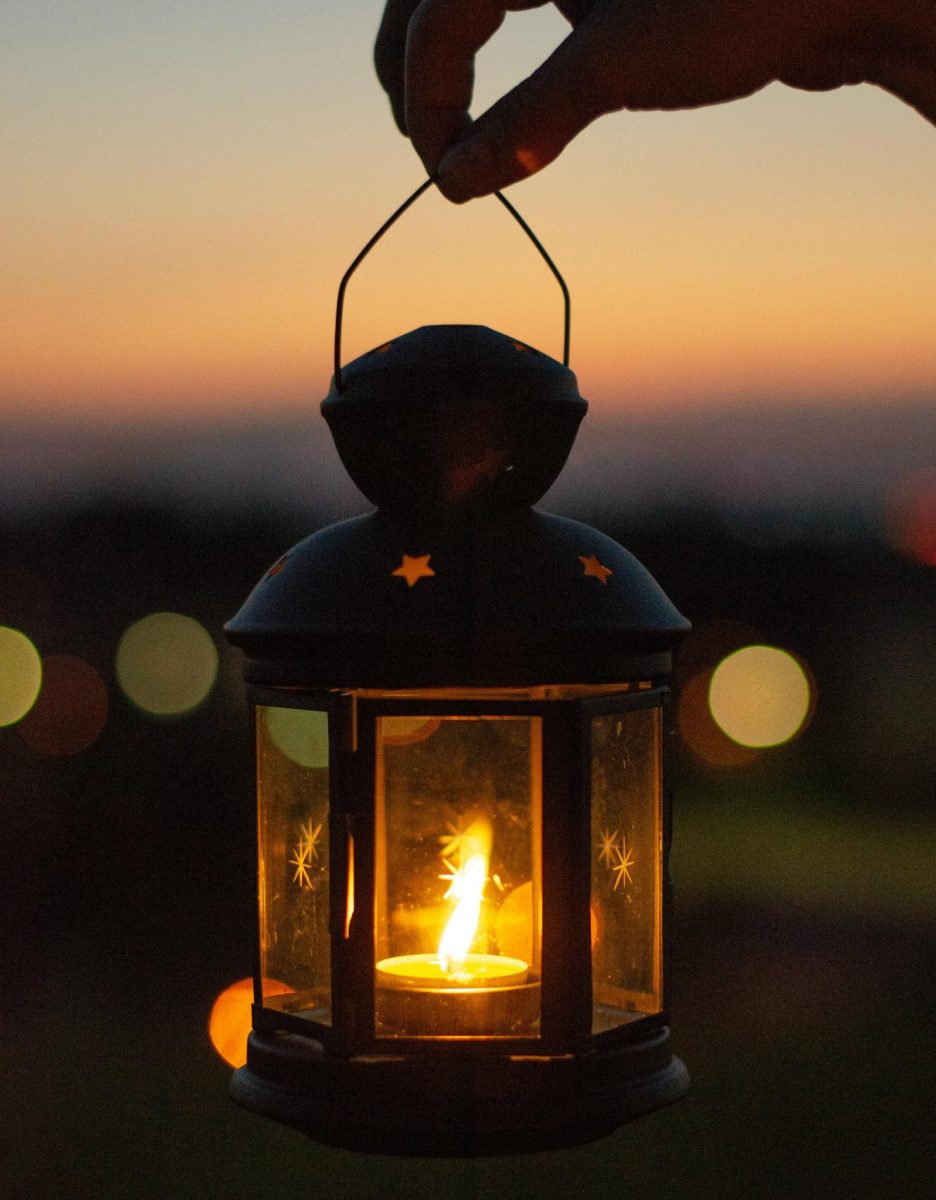
Ramadan began last week on Feb.16, Muslim including Wildcats started a month of reflection, devotion and community, it is considered the holy month in Islamic faith. To honor our diverse community, it is important for students and teachers to understand the traditions and practices of their peers and students.
Muslims fast from dawn to sunset, which is between 11-16 hours a day depending on the time of the year. It is hard as it sounds, according to many followers, eleven to sixteen hours without water or any food, but by denying the body’s basic needs, individuals aim to grow spiritually and sympathize with underprivileged people.
In this month people will do their best to give back by helping families and sharing their meals with those in need. Ramadan for Muslims is a month of social time in which they invite each other for breakfast or Iftar (breaking fast), and they all pray at the Mosque.
Aside from fasting, “Ramadan is more about praying, reading the Quran, being kind and helping others,” junior Soghra Ahmadi said. “Its about giving to charity and becoming a better person.”
During Ramdan, it is challenging for Muslims to adhere to a new schedule, which often leaves them sleep deprived. These events and challenges test their faith as they deal with new routines and maintain their academics.
“As a student myself I wake up early around 4:30 a.m. to eat before school and pray,” Ahmadi said. “I might feel more tired during the day not eating, but I try to manage my time and energy while focusing on patience, discipline and better self- control.”
Similarly, Christians sacrifice something around the same time as Ramadan for Lent, starting on Ash Wednesday and ending on Holy Thursday. Lent is also a time for repentance, reflection and preparation for celebrating Easter, it represents 40 days Jesus spent fasting in the desert.
“For Lent I gave up energy drinks,” junior Sophie Novak said. “And this means that I care for my beliefs in the religion.”
Here are some common misconceptions about Ramadan.
“Not even water?”
No, not even water, to test their willpower Muslims do not consume liquids and food from sunrise to sunset.
Every Muslim fasts
No, the majority of people are exempted from fasting, like pregnant women, children, people with health conditions and the elderly.
“How can you survive not eating for 30 days?”
People can eat everyday just not from sunrise to sunset.